Signification du mot "six hours' sleep for a man, seven for a woman, and eight for a fool" en français
Que signifie "six hours' sleep for a man, seven for a woman, and eight for a fool" en anglais ? Découvrez la signification, la prononciation et l'utilisation spécifique de ce mot avec Lingoland
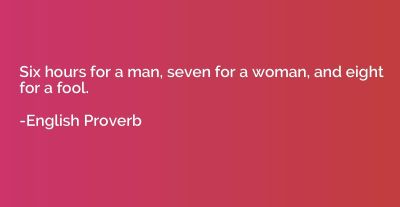
six hours' sleep for a man, seven for a woman, and eight for a fool
US /sɪks ˈaʊərz sliːp fɔːr ə mæn, ˈsɛvən fɔːr ə ˈwʊmən, ænd eɪt fɔːr ə fuːl/
UK /sɪks ˈaʊəz sliːp fɔːr ə mæn, ˈsɛvən fɔːr ə ˈwʊmən, ənd eɪt fɔːr ə fuːl/
Phrase
six heures de sommeil pour un homme, sept pour une femme et huit pour un imbécile
A traditional proverb suggesting that men need the least sleep, women slightly more, and only the lazy or foolish require eight hours or more.
Exemple:
•
My grandfather used to say, 'six hours' sleep for a man, seven for a woman, and eight for a fool,' to justify waking up at dawn.
Mon grand-père avait l'habitude de dire : « six heures de sommeil pour un homme, sept pour une femme et huit pour un imbécile », pour justifier son réveil à l'aube.
•
Napoleon Bonaparte is often credited with the saying: six hours' sleep for a man, seven for a woman, and eight for a fool.
On attribue souvent à Napoléon Bonaparte le dicton : six heures de sommeil pour un homme, sept pour une femme et huit pour un imbécile.